
Gum Disease Treatment – Lincoln, NE
Essential Treatment for Healthier Teeth and Gums

With nearly half of all adults suffering from some form of gum disease, this condition is extremely common and extremely dangerous. Caused by a bacterial infection, while it may seem harmless initially, it can eventually result in permanent damage to your smile, including receding gums, tooth sensitivity, and even tooth loss. Although there’s no cure for gum disease, gum disease treatment from South Ridge Dental can help stop the spread of harmful bacteria and protect your teeth and gums from the dangers of gum disease.
Why Choose South Ridge Dental for Gum Disease Treatment?
- Dental Insurance Welcome & Flexible Financing Available
- Caring & Compassionate Dental Team
- Same Day Appointments Available
What is Gum Disease?
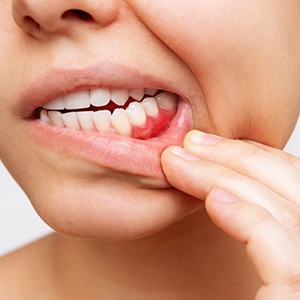
Also referred to as periodontal disease, nearly half of all adults have some form of gum disease. Caused by a bacterial infection within the mouth, gum disease directly affects the gums and bone structures that support the teeth.
There are two types of gum disease: gingivitis, which is its earliest stage, and periodontitis, which is a more advanced form. Although gingivitis can be reversed in its early stages by improving your oral hygiene routine, periodontitis cannot be cured, (only managed) to prevent it from getting worse.
Factors that may increase your odds of developing gum disease include smoking, tobacco use, poor oral hygiene, genetics, immune-compromising conditions such as diabetes, certain medications that cause dry-mouth, and hormonal changes.
Symptoms of Gum Disease

Gum disease can cause a variety of dangerous symptoms depending on how advanced it has become. Signs of gingivitis include:
- Chronic bad breath
- Red or swollen gums
- Bleeding gums when brushing or flossing
- Tender gums
- Dark red gums
- Receding gums
Signs of periodontitis:
- Pain while chewing
- Loose permanent teeth
- Sensitive teeth
- Bite changes
- Changes in the fit of dental restorations
- Permanent tooth loss
How Do We Treat Gum Disease?

Before we can determine which gum disease treatment options are best for you, your dentist will need to thoroughly examine your mouth and assess the severity of your condition. Then, based on their findings, they’ll discuss your treatment options with you.
Scaling & Root Planing
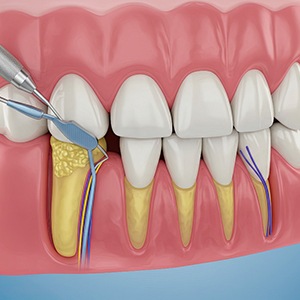
If your gums are suffering from the later stages of periodontal disease, protecting your smile from further infection and even tooth loss may require a more intensive intervention. Scaling and root planing is a two-step process that removes hardened deposits of plaque and bacteria from above and below the gumline, allowing your gums to heal from infection and protecting the roots of the teeth.
Do I Need Scaling & Root Planing?

Although it may be possible to reverse the earliest stage of gum disease known as gingivitis by improving your at-home oral hygiene routine, if you are already suffering from the telltale signs of later stage periodontal disease like swollen and receding gums, persistent bad breath, and visible plaque buildup, scaling and root planing can help.
The Process of Scaling & Root Planing
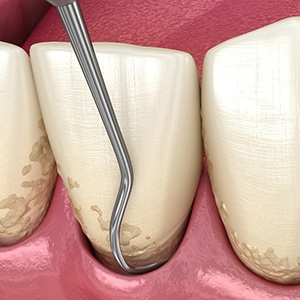
Scaling and root planing is at two-step gum disease treatment in Lincoln which typically occurs over two separate visits to your dentist.
During your first appointment, your dentist will use a dental scaler to remove any plaque and tartar from the surface of each tooth, reaching all the way down to the gingival pockets.
On your second visit, the roots of your teeth will be planed to remove any deposits of hardened bacteria and plaque that have accumulated deep below the gumline. Doing this will prevent bacteria from repopulating in your periodontal tissue and allow it to safely reattach to your teeth.
Aftercare Tips for Scaling & Root Planing

Because scaling and root planing can be a somewhat invasive gum disease treatment in Lincoln, it can take a few weeks to heal from this procedure. During this time, it’s not uncommon to notice increased sensitivity and discomfort as you recover. To make this time more comfortable and help reduce your risk of infection, be sure to implement these useful aftercare tips:
- To both soothe the gums and help make brushing and flossing your teeth easier, we recommend swishing warm saltwater in your mouth after every meal. Simply mix ¼ teaspoon of salt for every eight ounces of water, swish gently for a few seconds, and let it drain or dribble out of your mouth when complete.
- When it’s time to brush your teeth, be sure to use a soft-bristled toothbrush and brush in small, slow circles.
- Avoid foods and beverages that are hot or spicy, as well as alcoholic or acidic beverages, all of which can increase inflammation and pain.
- Don’t smoke, chew tobacco, dab, or vape.
- Maintain a soft diet for at least the first 48 hours after each appointment.
- Don’t participate in any strenuous physical activity for 24 hours after each appointment, as this can divert blood away from your gums and make healing take longer.